
Practical relocation guide
Japanese Suburbs: How to Choose an Area Beyond Central Tokyo
Understand what suburban living means in Japan and compare commute, housing, services, and daily-life tradeoffs before choosing an area.
Key Takeaways
- Choose the rail line before the neighborhood. A direct, reliable commute can matter more than straight-line distance.
- Check the walk around the station. Groceries, clinics, childcare, hills, and late-night transport shape daily life.
- Compare total housing cost. Rent, building age, move-in fees, utilities, and floor area belong in the same decision.
- Do not treat every outer neighborhood as the same kind of suburb. Dense station districts, commuter cities, and rural areas work differently.
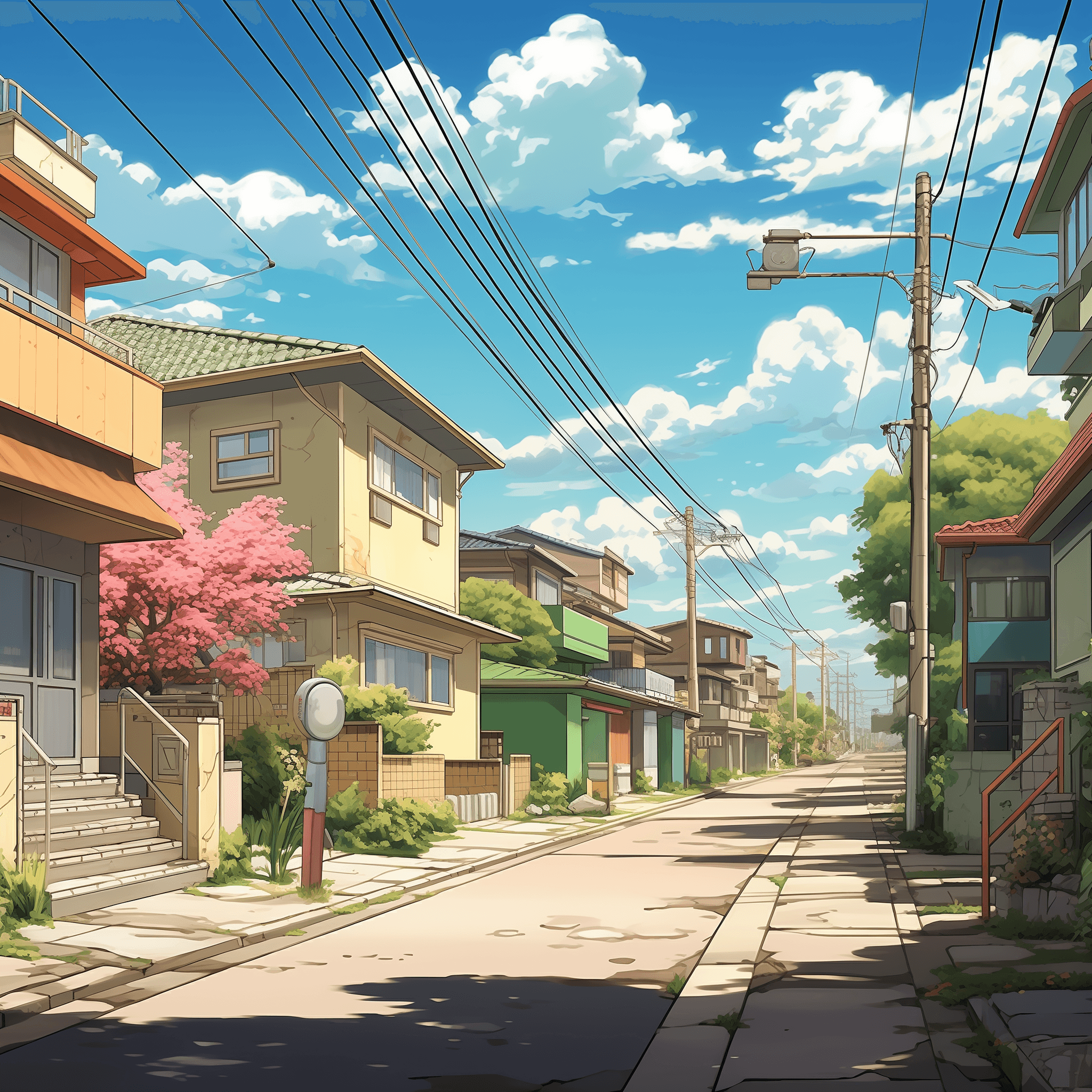
If you are choosing where to live in Japan, “suburb” is only a starting label. Around major cities, many outer districts are compact, walkable neighborhoods organized around rail stations—not car-dependent subdivisions. Farther out, the tradeoff can shift toward more space, fewer services, and a longer or less flexible commute.
Start with the route you will travel most often, then compare the station area, housing stock, disaster-risk maps, medical access, schools or childcare, and the last train home. Visit at commuting time and again after dark before committing to a lease.
This page covers the general decision. For specific Tokyo candidates, use the separate Tokyo areas guide. For floor plans and leasing terminology, see Japanese apartment layouts.
What “Suburban” Can Mean in Japan
There is no single suburban lifestyle. A listing outside a city center may fall into one of several patterns:
- A dense station district: apartments, shops, clinics, schools, and restaurants cluster around a major rail station.
- A residential commuter city: quieter streets and more housing choice, with daily life still organized around a rail route.
- A bus- or car-dependent outer area: more space may be available, but late-night access and errands require more planning.
- A regional-city neighborhood: the local center may provide daily services without a commute into Tokyo or Osaka at all.
Ask what the area makes easy. The right answer for a remote worker, a family with two school-age children, and someone commuting to a central office will be different.
Start With a Weekly Travel Map
List the places each household member must reach in a normal week. Include work, school, childcare, healthcare, family, and any recurring evening commitment.
Then compare:
- The exact door-to-door trip at the actual travel time.
- The number and difficulty of transfers.
- Peak, late-night, weekend, and disruption alternatives.
- The walk or bus connection between the home and station.
- Whether one route works for everyone or creates a hidden burden for one person.
An extra bedroom does not automatically compensate for an exhausting transfer twice a day. On the other hand, a longer direct ride may be acceptable if you can reliably sit, work remotely several days a week, or travel outside the peak.
Compare the Station Area on Foot
Map searches miss the experience of a route. Walk it with the conditions you expect to face: luggage, rain, summer heat, a stroller, limited mobility, or a late arrival.
Within your realistic walking radius, check:
- A grocery store that fits your budget and schedule.
- Clinics, a pharmacy, and the nearest hospital route.
- Childcare, schools, parks, and bicycle parking where relevant.
- Lighting, crossings, hills, sidewalks, and traffic.
- Noise from trains, roads, nightlife, schools, or construction.
- Parcel delivery access, rubbish rules, and building management.
Visit once during the morning peak and once after the shops close. A lively station at noon can feel very different on the last walk home.
Evaluate Housing as a Total Cost
Compare like with like: the same floor area, building age, structure, station distance, and move-in month. Monthly rent alone can hide common charges, parking, renewal costs, utilities, and a large initial payment.
Ask for an itemized estimate covering the deposit, key money if charged, agency fee, guarantee-company fee, insurance, lock change, advance rent, and any cleaning or renewal provisions. Read the conditions for ending the lease and restoring the unit.
Japan's Ministry of Land, Infrastructure, Transport and Tourism publishes an English rental-housing guide for foreign nationals with search, application, and contract checklists.
Check Risk at the Address Level
Do not label an entire city “safe” or “risky” from a single reputation. Flooding, landslide exposure, evacuation routes, soil conditions, and building construction can vary within the same neighborhood.
Use the official hazard maps published by the relevant city or ward for the exact property. Ask how high the unit and electrical equipment are, where residents evacuate, and whether the building has recent inspection or retrofit information relevant to its age and structure.
Insurance does not replace this check. Confirm the coverage required by the lease and what is excluded.
Know Which Services Become Harder Farther Out
More space can come with fewer English-language services, a smaller rental inventory, or greater dependence on a car or bicycle. Consider whether you need:
- Frequent specialist healthcare.
- International or bilingual schooling.
- Late-night rail service.
- A large choice of employers within one commute.
- Same-day access to immigration, consular, or other administrative services.
- Delivery access for a home office or business.
Language ability changes the tradeoff but does not eliminate the practical questions. Test the tasks you will perform every week.
A Shortlisting Method That Works
Score each candidate from 1 to 5 on the factors that actually matter to your household:
| Factor | What to record |
|---|---|
| Recurring travel | Door-to-door time, transfers, peak conditions, backup route |
| Housing | Current total monthly and move-in cost for comparable units |
| Daily needs | Grocery, healthcare, childcare, parks, and opening hours |
| Property | Layout, structure, insulation, noise, management, internet options |
| Risk | Official hazard maps, evacuation route, building-specific information |
| Flexibility | Late trains, remote-work fit, car or bicycle dependence |
Weight the important factors instead of averaging everything equally. If a 40-minute childcare detour is a dealbreaker, a good restaurant score should not cancel it out.
Before You Apply
- Repeat the commute at the relevant hour.
- View the street and building after dark.
- Compare at least three genuinely similar listings.
- Read the initial-cost sheet and lease conditions.
- Check official hazard maps for the address.
- Confirm phone coverage and available fixed internet.
- Keep temporary housing long enough to avoid signing under arrival pressure.
The moving plan puts this housing research in sequence with visa, shipping, money, and arrival tasks. If Tokyo remains your likely destination, continue with the seven-area Tokyo shortlist.